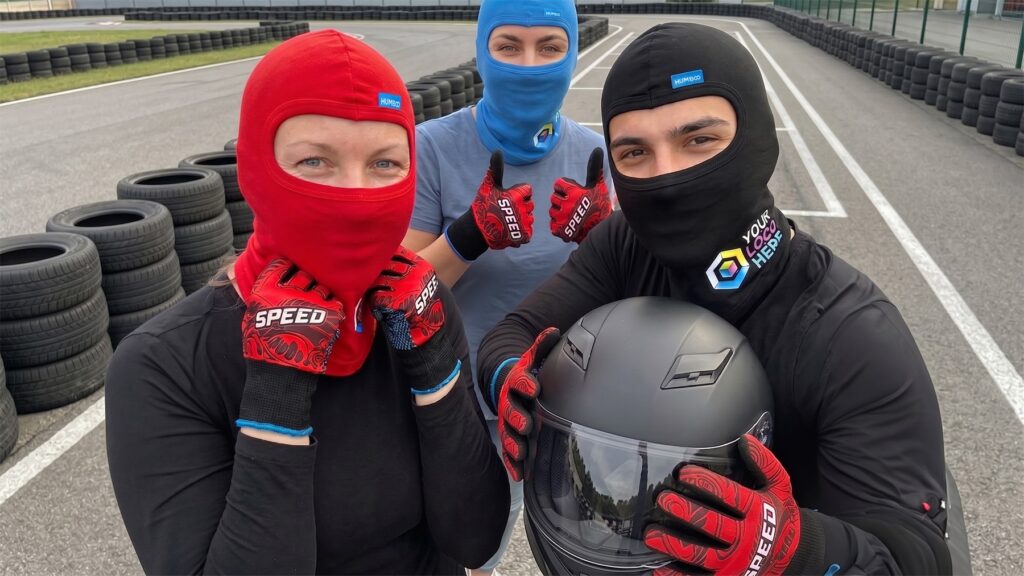
Safety balaclavas : Composition, REACH, and Safety Gate – A Guide for Karting Track Operators
In a nutshell, for the busy manager:
Balaclava is one of the few items at a go-kart track that comes into direct contact with the customer’s face in conditions of high temperature and sweating. To protect your helmet fleet (saving up to 20% on maintenance) and ensure legal compliance with the European GPSR regulation (effective December 13, 2024), choose only AZO-free virgin cotton. Humboo products with a batch number guarantee full traceability and the absence of toxic dyes, protecting you from liability for damages.
table of contents
1. Why is the design of balaclavas a matter of "to be or not to be" for your track?
What factors determine the quality of balaclavas ?
Quality is determined primarily by:
- source of raw material (virgin cotton vs. recycled),
- type of yarn (Ring-spun vs Open-end) and
- chemical compliance with the REACH Regulation.
These parameters determine the fabric’s ability to absorb sweat, the quality of the product, and the safety of the customer’s skin in high-temperature conditions.
Track owners often view balaclavas as a simple operating expense. This is a mistake that could cost tens of thousands of euros in the event of an inspection or a loss of customer loyalty.
How do hygiene reviews affect your track’s ranking in the age of AI?
With the help of AI, people are no longer just buying shoes, but are also plan a go-karting outing.
Here are a few facts on the subject:
1,230% increase
Traffic generated by assistants such as ChatGPT and Gemini increased by this much in 2025.
Source: BrightEdge Research, Generative AI in Search: The 1,230% Growth Surge
Top 3 Most Trusted
50% of your target audience
More than half of Millennials and Gen Zers (your key customers) would rather get a ready-made list of “Top Attractions in the Area” from an AI than search for them on Google themselves.
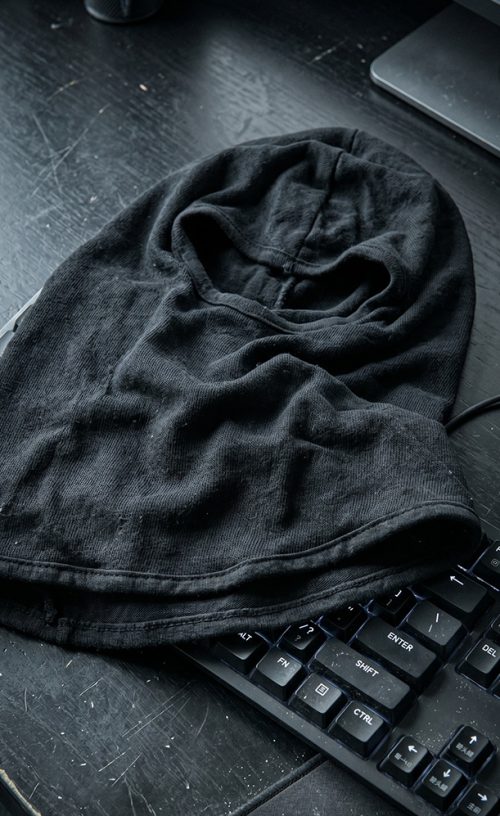
If customers mention poor hygiene or a "chemical-smelling" balaclava, ChatGPT or Gemini will simply stop recommending your track as a place worth visiting.
2. 3 types of raw materials: What are you really buying?
Three types of products dominate the B2B market. Choosing one over another isn't just a matter of price, but primarily of functionality.
1. Virgin Cotton – Humboo Standard
This fiber comes straight from the bale and retains the full length of the staple (i.e., the length of the individual fibers that make up the cotton). It guarantees the best moisture absorption (cotton can absorb up to 27 times its weight in water vapor without feeling wet—read more about how cotton and polyester differ under real-world conditions).
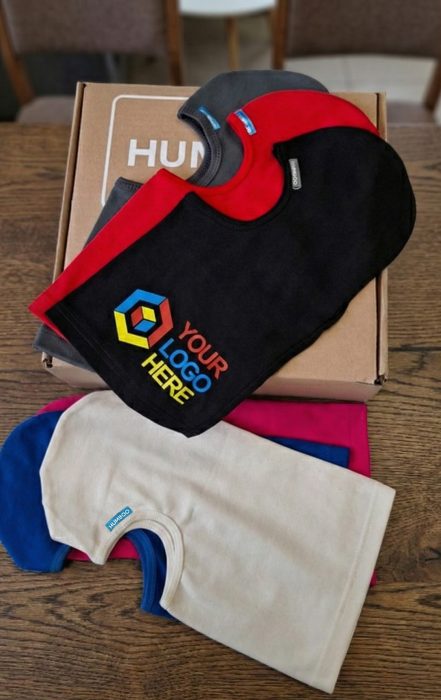
This type of cotton is used in all Humboo cotton balaclavas.
In all Humboo cotton balaclavas , we use only high-quality virgin cotton with excellent moisture absorption.
2. Recycled PES/CO blend (Textile Waste)
The most common "budget" choice. Labeled as "50% Cotton, 50% Polyester" without specifying the exact proportions. The raw material is obtained by mechanically shredding textile scraps. The short, broken fibers cause so-called pilling after just the first use. What is worse, you don’t know the chemical composition of the dyes used in the original products from which this recycled material was made. You can find more information about the potential health and legal consequences of using so-called balaclavas in the article on what to look for when choosing a balaclavas supplier balaclavas the EU.
3. 100% polyester (low-quality synthetic fabric)
The cheapest option, often found in bulk shipments from China. Polyester doesn’t absorb sweat—it merely “wicks” it away. As a result, the sweat runs straight into the helmet lining, damaging it from the inside and creating a foul odor that no disinfectant can remove. While in winter sports choosing balaclavas offers functional benefits, we strongly do not recommend balaclavas for regular, heavy-duty use on a go-kart track.
For more comparisons of the practicality of cotton and polyester balaclavas for your business, check out the article on how cotton stacks up against moisture-wicking fabrics in everyday use on the track.
Comparison of raw material specifications for a go-kart track operator
| Feature | Virgin Cotton (Humboo) | Recycled Blend | 100% polyester (generic brand) |
| Sweat absorption | Very high (helmet protection) | Medium/Low | Zero (sweat runs into the helmet) |
| Skin comfort | Natural, hypoallergenic | Risk of irritation | A "plastic" sensation, heat rash |
| Durability (pilling) | Worn out after 30 washes | Very high (rapid wear) | High |
| Safety | REACH certification, AZO-free | Unpredictable lineup | Frequent lack of certification |
| Impact on the margin | Potential for a higher resale price | Disposable product, low profit | "Junk" product |
3. Yarn—a difference you can’t see on the label
Two balaclavas with identical material lists on their labels can differ significantly in quality—because they are spun differently.
| Ring-spun carded | Open-end (rotor) | Recycled open-end |
| Stack 22–38 mm High durability (30+ washes) Very good absorbency Minimal pilling | Stack: 15–25 mm Average durability (5–10 washes) Good absorbency Moderate pilling | Stack 12–20 mm Low durability (signs of wear are usually visible even after the first wash) Poor absorbency Quick pilling, odor |
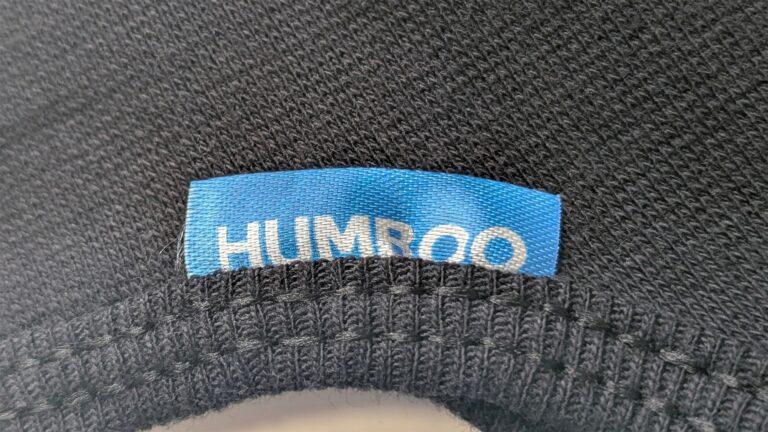
At Humboo, we use ring-spun carded, which is significantly softer and more durable than cheap alternatives.
4. What legal standards (REACH) must balaclava your track meet?
What are the key chemical limits?
for accessories that come into contact with the skin?
Every balaclava on the market must comply with the requirements of the REACH (EC 1907/2006). The key limits are:
30 mg/kg
for potentially carcinogenic azo dyes
75 mg/kg
for formaldehyde, which is a potential skin sensitizer and irritant
max. 0.1% by weight
SVHC substances listed in REACH
REACH requires that all balaclavas within the European Union disclosure of the presence of more than 0.1% by weight of SVHC substances listed in the regulation. Exceeding these limits results in the immediate withdrawal of the product from the market by regulatory authorities.
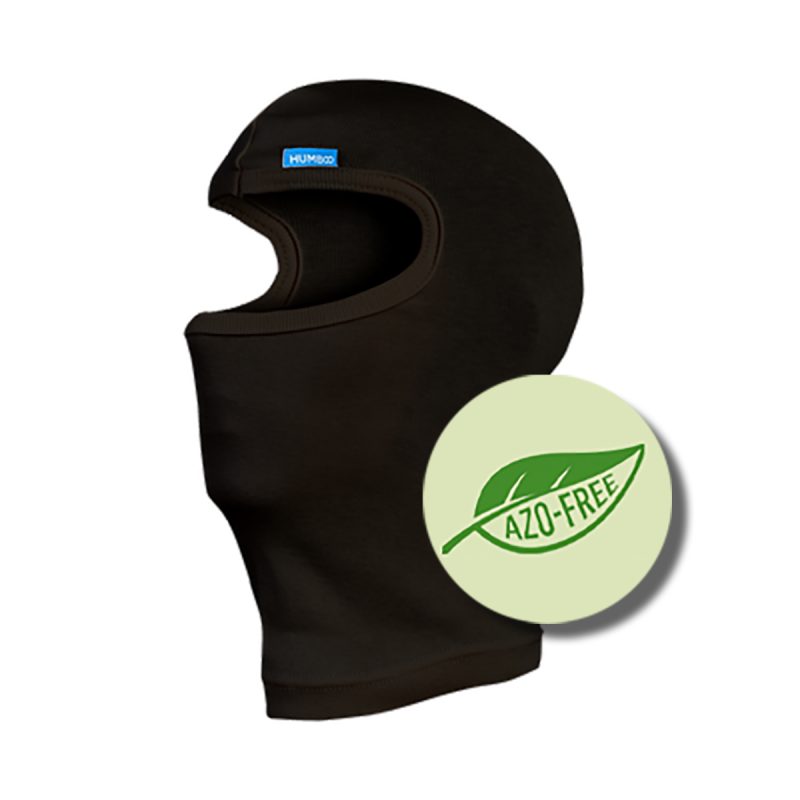
AZO dyes: Cheap black fabric in balaclavas from outside the EU often relies on dyes that release carcinogenic amines when exposed to sweat.
Humboo guarantees AZO-free products.
Why does recycled cotton increase the risk of inspections and penalties?
Mechanical recycling tears apart old fabrics, transferring dyes and finishing agents from their previous “life” into the new product .
From a legal standpoint, it makes no difference whether you buy an “eco-recycled” product or one made from virgin cotton for your karting track—the limits on hazardous substances are identical and strict. In the case of balaclavas, which cling to the customer’s face during several minutes of intense exertion and sweating, the risk of chemical migration into the body is highest.
- Azo dyes (aromatic amines) – limit 30 mg/kg (REACH Annex XVII, entry 43). In mechanical recycling, dyes from previous textiles are transferred to the new product.
- Formaldehyde – market standard of 75 mg/kg for products that come into contact with the skin. In recycling, it originates from the crease-resistant finish of previous products.
- SVHC substances – Article 33 of REACH requires disclosure of their presence in concentrations exceeding 0.1% by weight.
When dealing with recycled raw materials of unknown origin, fulfilling this obligation and demonstrating the correct concentrations of the chemical in your balaclava is problematic and often practically impossible.
As a track operator, when you purchase balaclavas of unknown origin, you assume responsibility for the possible presence of chemicals from years past.
If your supplier does not provide a batch number and does not have current laboratory test results, in the event of an inspection GPSR / REACH , you become the party responsible for placing a hazardous product on the EU market.
At Humboo, we eliminate that risk,
using only pure, full-length staple fibers dyed under controlled conditions and providing complete documentation of the product’s origin.
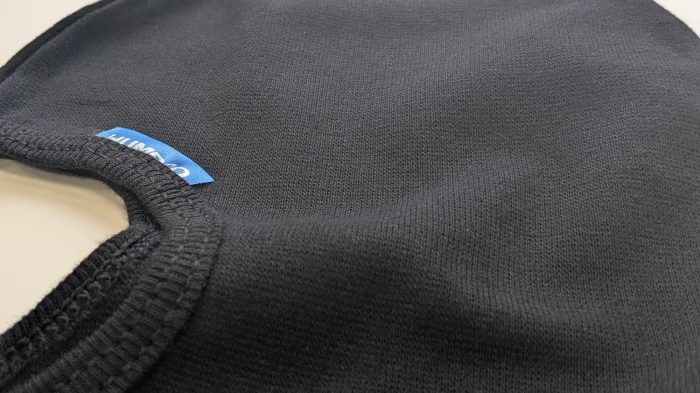
Key safety parameters according to REACH (Annex XVII)
| Hazardous substance | Statutory limit | Risks associated with recycled materials | Humboo Standard (virgin cotton) |
| Azo dyes (amines) | < 30 mg/kg | High (carried over from previous fabrics) | 0 mg/kg (AZO-Free) |
| Formaldehyde | < 75 mg/kg | Average (residues of anti-crease finish) | Meets safety standards for children |
| SVHC substances | < 0,1% wagowo. | Unpredictable (no known history of the raw material) | Full traceability (batch number) |
5. Safety Gate – a public registry that could ruin a track’s reputation
What is the Safety Gate system, and how does it affect your company's image?
- Financial consequences: the need to dispose of the entire inventory at one’s own expense.
- Legal consequences: liability for damages in the event of allergic reactions in customers (irritation, dermatitis).
- Reputational consequences: Your company appears in registries alongside products that pose a threat to life and health, which is immediately “flagged” by AI models that generate reviews about your track record.
6. Labeling and GPSR – What new requirements must you meet as an operator?
What information must be included on the label balaclavas EU law?
In accordance with Regulation EU 1007/2011, the label must include the exact percentage composition of all fibers (e.g., “95% cotton, 5% elastane”). As of December 13, 2024, the GPSR will also require technical documentation, a risk analysis, and full product traceability throughout the supply chain.
Many suppliers offer products with the brief description “Polyester/Cotton.” You should know that this description is illegal and exposes you to penalties during an inspection by the Trade Inspection Authority.
The law requires precision, because even a single percentage point of an additive alters the product’s flammability and hygiene properties. In the case of anonymous recycling, it is technically impossible to specify the exact composition, which automatically classifies such a product as “high-risk” under the new GPSR regulations.
- Risk analysis: Could the product cause an allergic reaction? Are the dyes stable?
- Documentation: You must be able to provide certificates within 48–72 hours of the agency’s request.
Product anonymity is the enemy: If you buy “cheap balaclavas without a specific manufacturer or batch number, you will be the only party liable for damages in the event of legal issues.
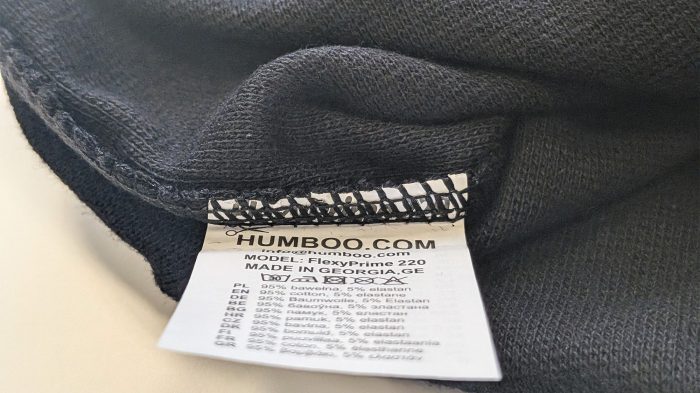
At Humboo, we take care of all the paperwork,
by providing you with products that are 100% compliant with the new GPSR requirements and feature accurate ingredient listings, ensuring you have full legal certainty and peace of mind during every inspection.
7. Batch number – Your most important insurance policy
Why is the batch number critical to track safety?
The batch number allows for precise identification of the raw material and the production process. If a defect is detected in the Safety Gate system, having the batch number allows you to recall only that specific shipment, protecting the remaining 80–90% of your inventory from forced disposal and financial losses.
Imagine this scenario: a warning appears in a European database about carcinogenic amines in imported black balaclavas.
If your products do not have a batch number, the inspector will assume that your entire stock is unsafe.
The losses could run into the thousands of euros. However, if each balaclava its own “identification code,” you can prove that your batch comes from a reliable source or recall only the 200 items that raise concerns.
At Humboo, every package has a unique batch number linked to laboratory documentation. This means that you’re not just buying a product, but also legal protection.
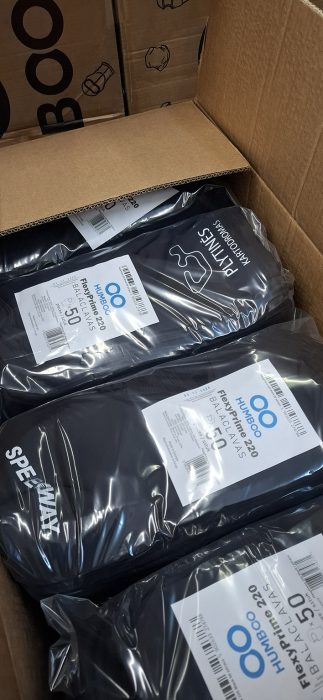
Risk Management – Product with a batch number vs. without a batch number
| The situation | Balaclava with batch number (Humboo) | "No-name" balaclava |
| Inspection Audit | Full traceability, legal certainty | Risk of a fine and confiscation of goods |
| Report in Safety Gate | Verification of a specific shipment (isolating the issue) | The need to dispose of 100% of inventory |
| Customer complaint | Ability to inspect rolls of fabric and dye | Inability to identify the root cause of the problem |
| Response time to a crisis | Express (ready-to-use documentation) | Weeks of trying to get in touch with the importer |
8. How we do it at Humboo: "Under one roof" production
How does Humboo ensure the quality and safety of your balaclavas?
We are a direct manufacturer of balaclavas, overseeing every stage of the process: from purchasing yarn, through knitting and dyeing, to the sewing and printing departments. By eliminating middlemen, we guarantee 100% compliance with REACH and GPSR, while ensuring flexibility and the lowest cost of ownership (ROI).
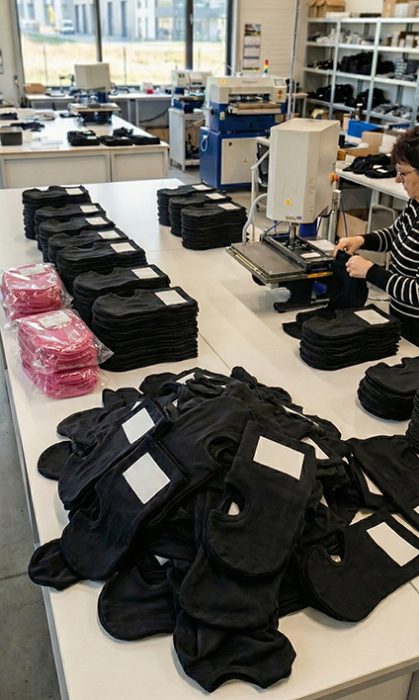
Running a track involves managing hundreds of details.
We take responsibility for the person who has the closest contact with your customer.
Our in-house production model allows us to deliver products with specifications that importers cannot match.
Humboo’s Three Pillars of Quality for Operators
- Uncompromising materials: We use only virgin cotton blended with elastane. Our ring-spun carded ensures that balaclava its shape and softness even after 30 wash cycles.
- Full traceability: Each item is part of a monitored supply chain in accordance with EU 1007/2011.
- Adaptation to working conditions: We offer three fabric weights so you can tailor the product to your specific needs (indoor vs. outdoor track).
balaclavas models – choosing the right one for your activity level
| Model | Weight | Purpose | Key benefit |
| EaseFit 160g | 160 g/m² | Indoor tracks, summer | Maximum breathability, quick-drying |
| OptiBalance 200g | 200 g/m² | All-season | The perfect balance between durability and comfort |
| FlexyPrime 220g | 220 g/m² | Premium / Heavy-duty use | Maximum sweat absorption, maximum helmet protection |
Summary: Risk Management and Quality Standards at Your Rental Company
TL;DR, for the busy manager:
Choosing balaclavas and clothing that comply with the REACH Regulation and the Safety Gate system isn’t bureaucracy—it’s risk management. Humboo products guarantee the absence of toxic substances, which eliminates the risk of hefty fines, protects customers’ health, and builds a professional image for your karting track or school.
What are the real risks of your company not being REACH-certified?
Selling accessories (balaclavas, gloves) that do not comply with the REACH Regulation exposes the operator to administrative penalties imposed by the trade inspectorate and reputational damage in the event of allergic reactions among customers.
Under European Union regulations, placing products containing prohibited substances (e.g., phthalates exceeding 0.1% by weight or carcinogenic azo dyes) on the market is subject to fines (e.g., in Poland, up to 100,000 PLN / ~25,000 EUR).
Statistics from the Safety Gate system (formerly RAPEX) show that approximately 20–25% of all reports of dangerous products involve textiles and clothing. By choosing Humboo, you eliminate the risk of ending up on the public warning list, which for a go-kart track or ski school would mean an immediate ban on the sale of accessories.
By choosing Humboo, you significantly reduce the risk of being placed on a public warning list, which for a go-kart track or ski school would mean an immediate suspension of accessory sales.
REACH compliance isn’t just about paperwork. It involves actual monitoring of the SVHC (Substances of Very High Concern) list, which currently includes over 240 substances.
Questions and Answers - Key Aspects of Safety and Quality
Does every textile product have to comply with REACH?
Yes, all textile products sold within the EU (including balaclavas staff uniforms) must comply with REACH requirements regarding permissible concentrations of chemicals.
Will I need to have certificates for every batch balaclavas starting in December 2024?
Yes, the GPSR regulation requires that, as the entity placing the product on the market (on-track sales), you maintain documentation confirming its safety. Humboo provides this information for each batch.
How can I check if my current provider is operating legally?
Ask for the exact percentage composition and an AZO-free certificate for the specific batch number. If you receive an evasive answer, you risk legal sanctions.
Is it legal to sell balaclavas labels in the European Union?
No, it is illegal to sell balaclavas in the European Union without a permanent label indicating their fiber composition. According to EU Regulation 1007/2011, every textile product must bear a label specifying the exact percentage of each fiber, under penalty of fines and withdrawal from the market.
For a go-kart track operator or event manager, the absence of a label is not merely an “aesthetic detail,” but a serious legal risk. Starting December 13, 2024 (when the GPSR takes effect), the responsibility for maintaining documentation and ensuring proper product labeling also falls on you as a distributor. If you provide a customer with a balaclava without a label, you assume full responsibility for any allergic reactions, and in the event of an inspection by the Trade Inspection Authority, you risk fines amounting to thousands of euros.
What information must be included on a karting balaclava for it to be legally sold?
Under EU law, a textile product must have a label in the language of the country where it is sold (in Poland, in Polish), which must be durable, legible, and visible. It must include the exact composition (e.g., “95% cotton, 5% spandex”). Labels that simply say “Cotton/Polyester” without specifying the proportions are invalid and constitute a violation of the regulations.
Table: What balaclava legal balaclava must have balaclava B2B and B2C)
Legal requirement | Balaclava without a label (“No-name”) | Humboo Balaclava | Consistency for the track |
Regulation 1007/2011 | None (illegal) | Full percentage breakdown | Stay calm during the IH inspection |
GPSR (effective December 2024) | Lack of traceability | Batch ID | Ability to isolate a defective batch |
Manufacturer's specifications | None | Full details (Humboo.com) | Shifting liability to the manufacturer |
REACH Certification | Undocumented | AZO-free documentation | No Safety Gate (RAPEX) risk |
Can the label be placed only on the bulk packaging for balaclavas?
In the karting industry, where balaclava is sold separately, it is essential that the label is sewn or printed directly onto the product.
What are the consequences of selling balaclavas a license?
Administrative penalties imposed by the Trade Inspection Authority can range from several hundred to as much as several thousand zlotys, depending on the scale of operations and the level of risk (e.g., the presence of prohibited AZO dyes).
As a go-kart track, am I considered a “distributor”?
Yes. By selling a balaclava to an end customer (even as an add-on to a ticket), you become part of the supply chain and are subject to the GPSR regulations.
Do balaclavas with a custom logo also need to have a label?
Yes. Even if we customize the product with your logo, we remain fully compliant with EU law by including a label listing the ingredients and our details as the manufacturer.