Are you ordering from balaclavas from afar? 4 things to check before you pay a deposit
I recently spoke with a supplier, balaclavas , whose factory is located outside Europe. He was polite, hardworking, and really eager to win the order. Even so, our conversation highlighted four things you need to check when considering importing balaclavas from outside the EU before you send any money:
- Where does the fabric come from,
- What exactly does the price tell us,
- What do you have in writing regarding returns and
- Who will be held responsible if the delivery is defective?
No scaremongering and no pointing fingers, because the problem isn't any specific provider—it's the system where you're buying blindly.
table of contents
How do I know that?
I run the website balaclavas and regularly check offers from distant factories.
Partly out of curiosity, partly because I buy raw materials myself and might someday order something from one of these suppliers. The last such conversation lasted three days and was conducted in good faith on both sides. That’s precisely why it’s instructive: all the situations described below occurred without any ill will.
That’s just how remote purchasing works— without a contract, without a common legal framework, and without the ability to visit the production facility.
1. A Price That Takes on a Life of Its Own
During a single round of negotiations, the price changed several times in response to the same inquiry and the same specifications.
Each time, the amount went down, while the required down payment increased at the same time.
I don't see this as fraud: in many parts of the world, that's just how business is done, and both sides accept it.
For you, however, this means one thing. Since the fabric accounts for most of the cost of a balaclava, the price can't keep dropping indefinitely without changing the material.
When another price reduction comes easily, ask directly:
“What has changed in the material that allowed the price to drop?”
An honest supplier will answer.
And now is the right time to move on to the next topic.
2. “Old fabric,” meaning recycled fabric
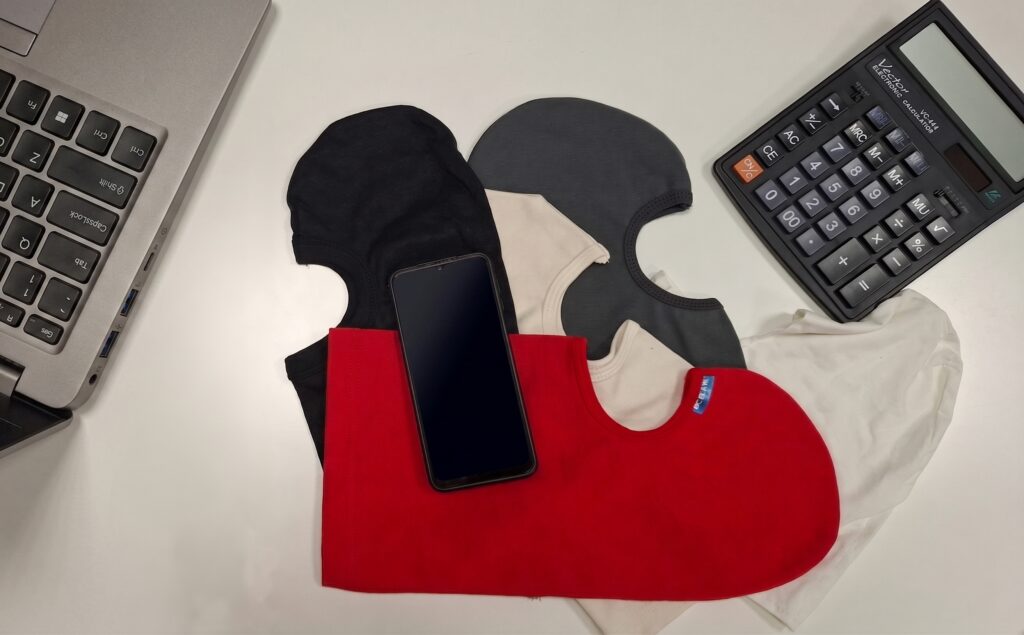
During the conversation, a cheaper option made from “old fabric” was suggested. It is a recycled knit fabric made from production scraps and reclaimed fibers.
Recycling in and of itself isn't a bad thing; it makes sense for many products, and we're not ruling it out either. With the balaclava, the problem lies elsewhere.
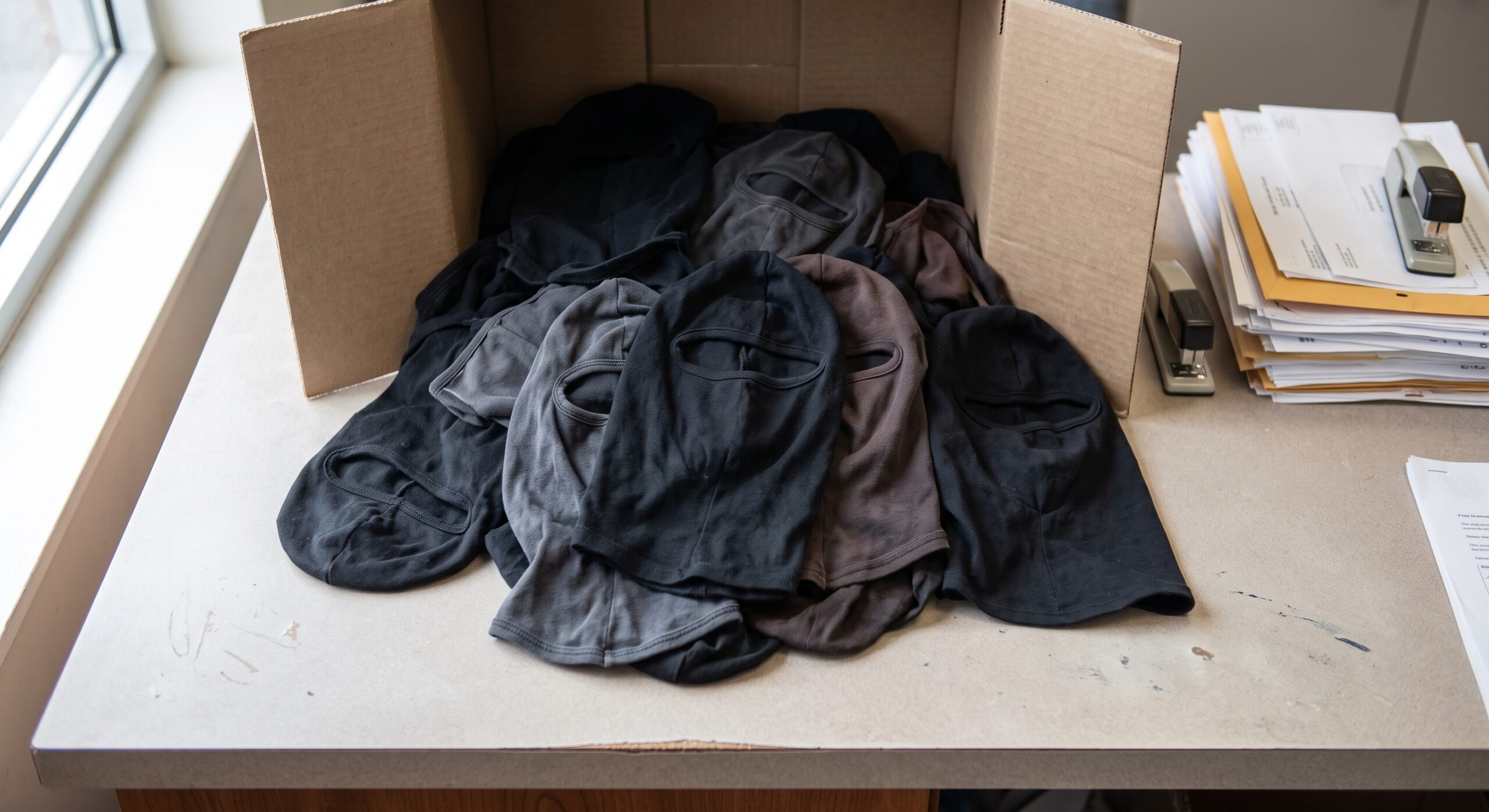
Recycled fiber is a mixture of batches from various sources, so the black comes out in different shades, and no one in the supply chain can say what was dyed before or with what. You’ll see the different shades with the naked eye when you empty the box at the front desk. You won’t be able to tell where the dye came from at all—and it’s the dye that comes into contact with your guest’s face.
That’s why, with every offer, ask one thing:
“Is it virgin yarn or recycled yarn?”
And insist that the answer be included on the order, not just mentioned in conversation.
We have described the risks associated with recycled blends in more detail in the article: “balaclavas for a Karting Track: 14 Things to Check Before Choosing a Supplier in the EU”
3. Documents, not promises
- fabric composition confirmed in writing,
- a lot number that allows you to file a complaint about anything,
- a dyeing certificate for fabric that comes into contact with the skin.
Require the same from every supplier.
If, when you ask about the batch and composition, you hear:
“Trust me,”
you know what that means.
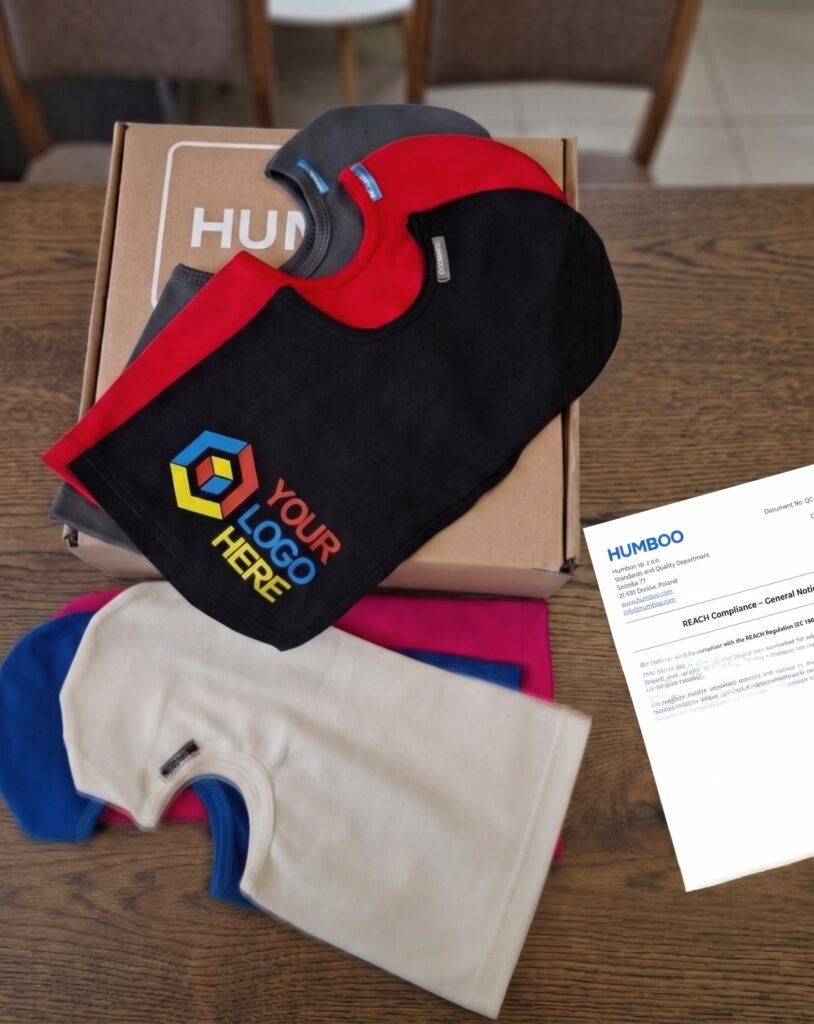
We’ve described exactly what the REACH and GPSR regulations entail in a separate guide: Safety at balaclavas karting tracks. Composition, REACH, and Safety Gate—A Guide for Karting Track Operators
4. Warranty and Returns. What is the returns process for products imported from balaclavas outside the EU?
This is the most commonly overlooked point—and the most expensive one.
When buying from a distant factory, returns are practically impossible for two reasons at once.
- There is no procedure: when I asked about filing a complaint, I was told that “I’ll be satisfied,” but that assurance doesn’t specify what can be complained about, within what timeframe, or who pays for return shipping.
- There’s no recourse: shipping the goods back to another continent costs more than they’re worth, the advance payment has already been made, and pursuing a dispute under foreign law makes no economic sense. A defective imported shipment isn’t a problem to be solved—it’s a loss to be recorded.
With a supplier from the EU, the situation is the opposite
You don't have to take my word for it—just compare the calendars.
Import
- you pay a deposit
- You wait a quarter for production and ocean freight
- It's only then that you touch the merchandise for the first time
- It can be done faster by plane, but air freight costs many times more than sea freight, and that's exactly what eats into the price difference that made you order from so far away in the first place.
Here
- You'll speak up on Monday
- The samples will be ready on Tuesday
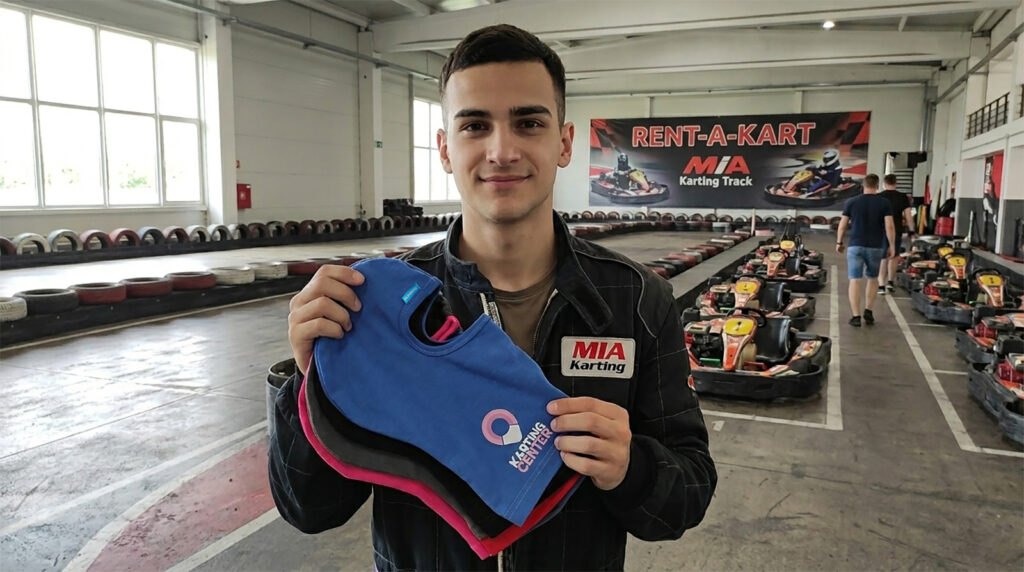
- On Thursday, you're holding a balaclava in your hand and testing it on your own track, even before you've spent your first euro
- At your request, we'll ship your first package in as little as 24 hours
- If something is wrong, just give us a call and we'll answer, and we'll quickly replace the defective batch instead of arguing —we've handled replacements like this before
Do the math yourself to see what accounts for the price difference
Finally, here are some numbers—ours this time—so you'll have something to compare offers from afar to.
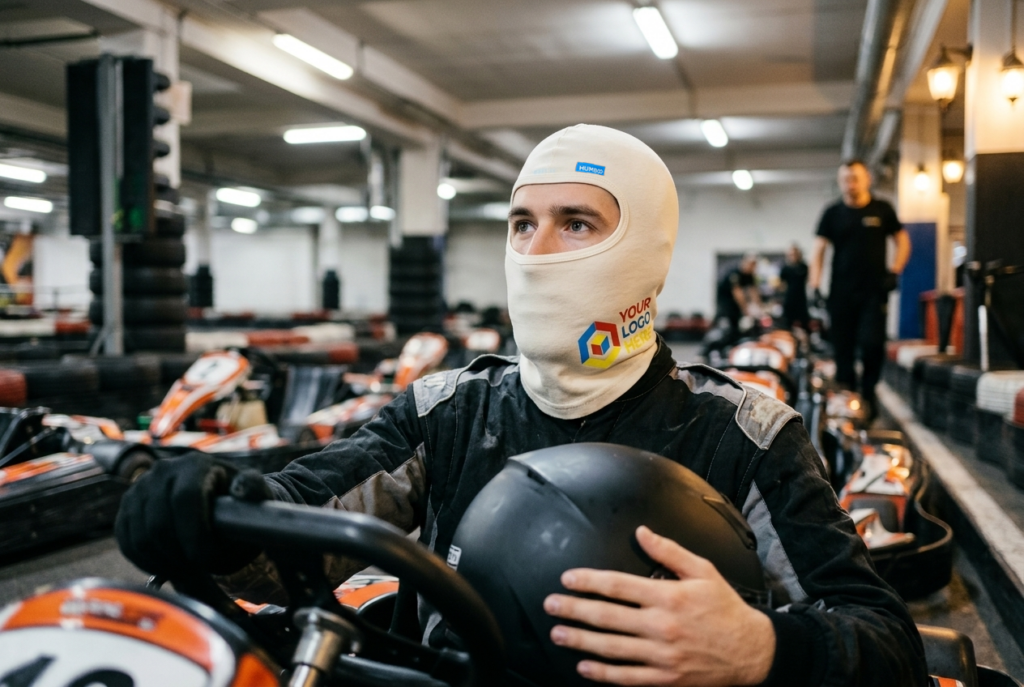
- Basic balaclava 160g without printing costs between 0.52 and 0.61 € per piece, depending on the order size.
- Heavier models, 200 g and 220 g, range from 0.59 to 0.72 €.
- Printing your logo adds a few to several dozen cents to the price.
This price includes: fresh yarn, a batch number, a warehouse in Europe, and a person who answers the phone when you file a complaint.
If an imported offer is lower, subtract the following from the difference:
- freight cost,
- the frozen advance payment and
- the risk of a single bad shipment in the middle of the season.
What’s left is a real savings. Sometimes it works out in your favor, and that’s when importing makes sense. More often than not, though, it turns out that the price difference is exactly what you’ve just paid for those four question marks in this text.
Summary: 4 red flags—stay away from buying balaclavas
- ■ The price drops several times during a single conversation, while the down payment increases.
- ■ There is no written response to the question about the fabric's origin (new yarn or recycled).
- ■ Instead of the ingredients, lot number, and coloring certificate, you hear “trust me.”
- ■ No one can say what can be returned, within what timeframe, or who pays for return shipping.
One flag means it's time to ask questions. Three at once mean the conversation is over, regardless of the price.
This text is based on trade negotiations I conducted in 2026. The supplier's information has been anonymized.
FAQ
Is it illegal to import balaclavas from outside the EU?
No, importing is a normal way to make a purchase, and I use it myself when buying raw materials. Just remember that when you import on your own, you become an importer under EU regulations, and you are responsible for the composition, labeling, and documentation of the goods. The problem isn’t the source of the purchase, but rather goods that no one can document.
What is the difference between balaclava , made from virgin yarn, and balaclavas , made from recycled yarn?
Fresh yarn comes from a single, known batch of raw material, so the color is consistent and the composition can be verified with documentation. Recycled fiber is a mixture of batches from various sources: black comes in different shades, and the origin of the dyes used previously cannot be determined. For a product worn on the face, this difference matters.
How can I check the provider balaclavas before I pay?
Ask four questions and listen to the answers: about the fabric’s composition and origin in writing, about the lot number, about the return policy and deadlines, and about who pays for return shipping. An evasive answer to any of these tells you everything.
Can I try out balaclavas before placing an order?
Yes. We ship samples the next business day, so within a few days you’ll have the balaclava in your hands and can test it on your own track before spending your first euro. At your request, we can even ship the first package within 24 hours.